

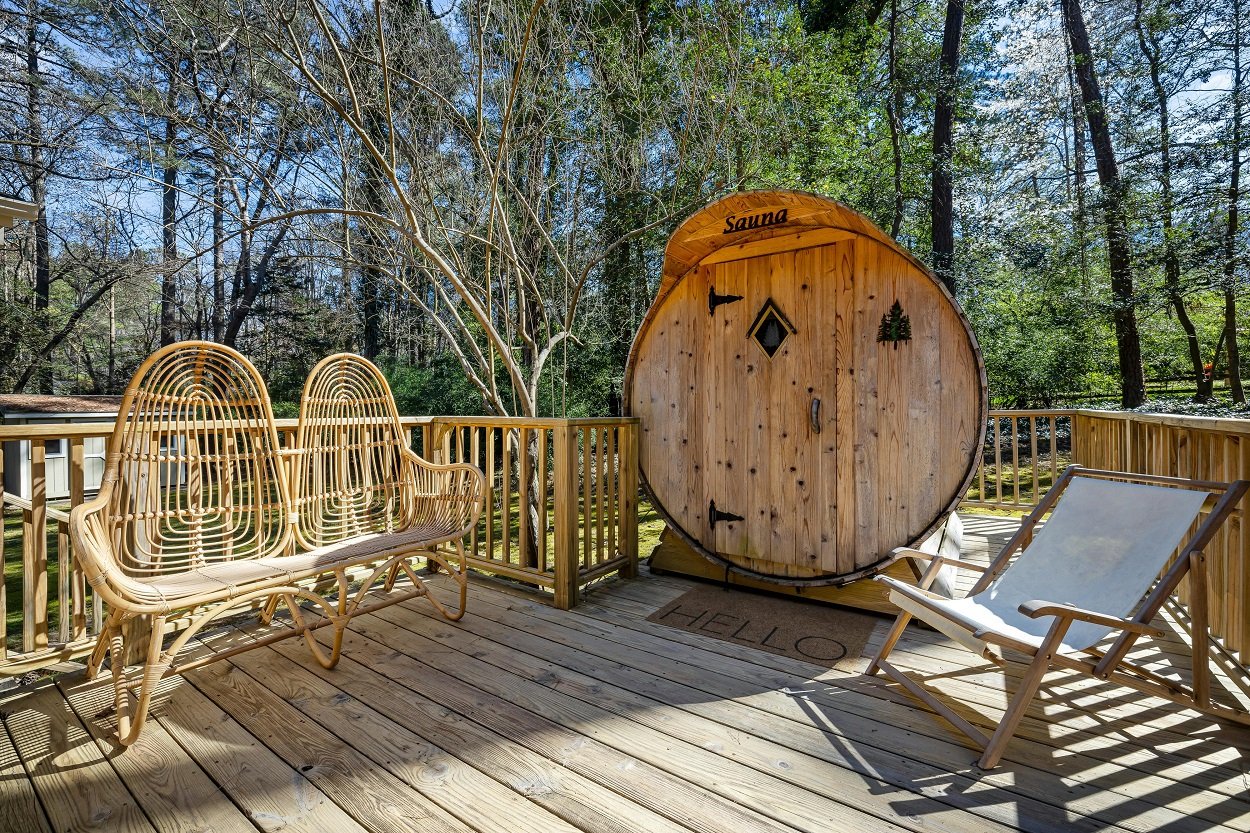
Wood plastic composite decking offers a revolutionary solution for homeowners seeking low-maintenance outdoor flooring that mimics the warmth of real wood without the hassles. Ideal for patios, balconies, and gardens, WPC decking combines recycled wood fibers and plastic to deliver exceptional durability in harsh weather conditions. Whether upgrading your balcony decking or building an expansive deck, this material stands out for its eco-friendly appeal and long-lasting performance.
What is Wood Plastic Composite Decking?
Wood plastic composite decking, often called WPC decking, blends approximately 50-70% wood particles like sawdust or bamboo with plastic resins such as polyethylene or PVC. This fusion creates boards that look and feel like natural wood decking but resist rot, warping, and insect damage far better. Unlike traditional wood decking, which requires constant sealing and staining, WPC decking maintains its rich color and texture with minimal effort, making it perfect for busy lifestyles.
The manufacturing process involves extruding the mixture under high pressure and heat, resulting in hollow or solid profiles with realistic wood grains embossed on the surface. Available in shades from classic teak brown to modern greys, WPC decking fits seamlessly into contemporary or rustic designs. Its lightweight nature simplifies transportation and installation, while superior slip resistance ensures safety on wet surfaces like balcony decking exposed to rain.
Homeowners choose WPC decking for its versatility across climates. In humid tropics or freezing winters, it expands and contracts minimally, preventing cracks that plague pure wood alternatives. This stability makes it a top pick for balcony decking in high-rise apartments where space is premium and weather exposure is constant.
Advantages Over Traditional Wood Decking
Traditional wood decking exudes natural charm but demands high upkeep, from annual treatments to combat moisture and UV fading. In contrast, wood plastic composite decking eliminates these chores, saving time and money over decades. It won’t splinter, making it family-friendly for barefoot lounging or kids’ play areas, and its fade-resistant pigments keep decks vibrant year-round without repainting.
Environmental benefits shine through WPC decking’s composition. Made from recycled plastics and wood waste, it reduces landfill contributions while demanding fewer trees than harvesting solid wood decking. Many brands incorporate UV stabilizers to prevent greying, ensuring balcony decking retains its curb appeal even under intense sun.
Structurally, WPC decking boasts higher load-bearing capacity than softwoods like pine, rivaling hardwoods like ipe without the premium price. Hidden fastening systems allow for seamless, gap-free installations that enhance aesthetics and drainage. For balcony decking, its quick-dry properties prevent mold growth, a common issue in enclosed outdoor spaces.
Cost-wise, initial investment in wood plastic composite decking runs higher than pressure-treated lumber but pays off through zero replacement needs. Expect lifespans of 25-50 years, far outpacing wood decking’s 10-20 years with diligent care.
Best Applications for WPC Decking
Balcony decking transforms compact urban balconies into luxurious retreats with WPC decking’s slim profiles and modular designs. Railings, pergolas, and integrated planters pair beautifully, creating multi-functional zones for dining or relaxation. In larger yards, expansive decking platforms host barbecues or hot tubs, supported by WPC’s rot-proof joists.
Rooftop terraces benefit from their lightweight build, reducing structural load while providing a green roof alternative with built-in drainage channels. Poolside decking stays cool underfoot despite sun exposure, unlike heat-absorbing concrete. Even commercial spaces like cafes or resorts opt for WPC decking for its commercial-grade durability and customizable finishes.
Design flexibility abounds: choose smooth, brushed, or embossed textures to match your vision. Multi-width boards enable creative patterns like chevron or board-on-board, elevating standard decking to architectural statements.
Installation and Maintenance Tips
Basic tools are all it takes to install wood plastic composite decking. Pressure-treated lumber or aluminum joists placed every 12″-16″ are the recommended level subframe. Before boarding starts, contracts should remain on-site for a couple of days for stabilization. On your decks, use decking boards from food-grade high-density polyethylene and other natural fibers. With its hollow decking screw clips, you may fasten them at their sides with stainless steel fasteners, providing an acceptable amount of expansion allowance and thereby giving a clean, even design for your deck. The earlier the better
Maintenance of decks is minimal, including sweeping and clean water rinsing, while mild soap solutions suffice to clean food and pollen stains; avoid using a pressure washer. Transferring all well-known decks into annual inspections is very useful to keep an eye out for any loose fasteners, as these come with wear.
High wood-to-plastic ratio products contribute to strength while reflecting the possibility to balance the strength of synthetic materials against moisture. Capstock boards are some sort of plastic composite with a brushed surface protecting from scratches or pigmenting agents before wearing away.
Emerging Trends in Decking
Modern WPC decking evolves with co-extruded caps for enhanced UV and stain resistance, pushing boundaries beyond basic wood decking. Sustainable lines use bamboo fibers for faster renewability, appealing to green-conscious buyers. Smart decking integrates LED lighting strips for evening ambiance, ideal for balcony decking entertainment.
Customization surges with multi-tone hues and metallic accents, blending seamlessly with indoor flooring for indoor-outdoor flow. Thinner profiles suit retrofits on existing structures without demolition.
Choosing Your Perfect Decking Solution
When selecting wood plastic composite decking, prioritize warranties—25 years signals quality engineering. Sample boards under real light to gauge color accuracy. Pair with complementary railings and pergolas from the same manufacturer for a cohesive look.
For balcony decking, opt for anti-slip grooved surfaces; for ground-level decking, prioritize impact resistance. Consult local suppliers for region-specific formulations tackling humidity or salt air.
Wood plastic composite decking redefines outdoor living by marrying wood’s allure with plastic’s resilience. It turns fleeting dreams into enduring realities, from cozy balconies to grand entertainment decks. Invest in WPC decking today for tomorrow’s worry-free oasis.